


Potty Whiz: Training App
4.2593.00 Reviews
App Specs
- Version
- 5.3.74
- Updated On
- License
- Free
- Downloads
- 100,000+
- Developer
- Kidplay Technologies LLC
- Categories
- Parenting
- Platform
- Android
Screenshots

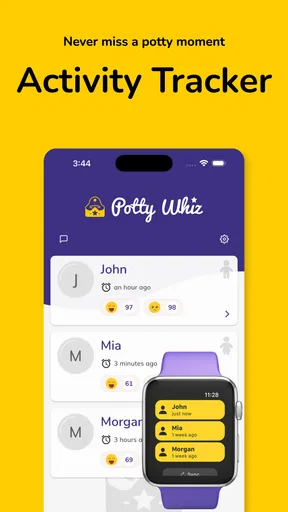
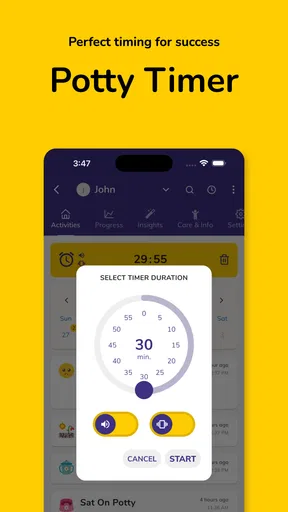
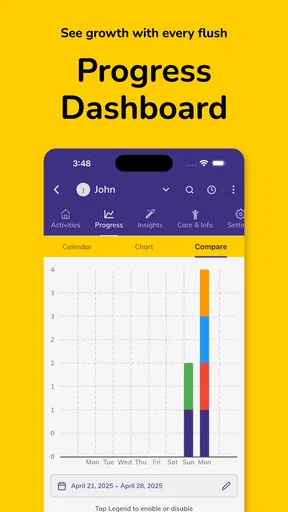
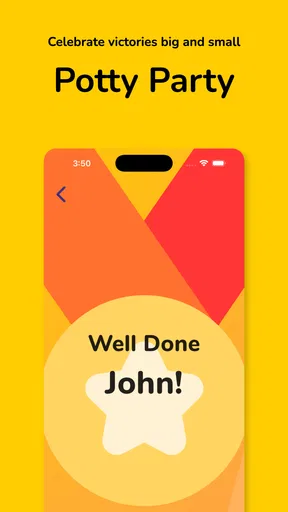
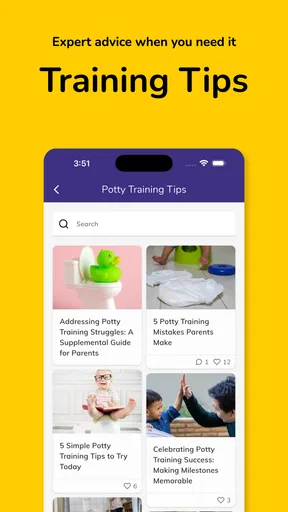

 Analysis by AppCompare
When potty training turns into a string of reminders, negotiations, and missed chances, a little structure can help—but it should support a child rather than turn every bathroom visit into a test. That is the useful idea behind Potty Whiz: Training App. I see it as a cheerful routine-builder for families who want prompts and positive reinforcement in one place, not a shortcut that can make every child ready on the same schedule.
A tool for building a routine, not rushing a milestone
Potty training is highly personal: a child may be keen one day and resistant the next, and family routines rarely stay perfectly predictable. An app can make it easier for adults to stay consistent, but it cannot tell you when to push or when to pause. My main advice is to treat reminders as gentle cues, rewards as encouragement, and your child’s comfort as the deciding factor.
That distinction matters because virtual rewards can motivate some children while feeling like pressure to others. If a sticker makes your child proud, great; if it leads to frustration after an accident, scale back and keep the tone calm. The app works best as a shared aid for parent and child, with the parent deciding how much of its structure suits the moment.
Getting Started with Potty Whiz
First things first, downloading Potty Whiz was a breeze. It’s available for both Android and iOS, which is super convenient. Once I had it installed, I dove right into the setup. The app kicks things off with a friendly tutorial, making it easy to navigate. It almost felt like the app was holding my hand through the whole process, which is perfect because, let’s face it, potty training can be a bit daunting!
The interface is colorful and engaging, tailored just right for little ones. My kid was instantly drawn to the cute characters and playful design, which is already a win in my book. The initial setup involves inputting some basic info about your child—age, name, and any previous potty training attempts. This helps the app customize the experience.
Features That Stand Out
Now, onto the juicy bits—the features. Potty Whiz is packed with tools to make potty training less of a hassle. One of my favorites is the reward system. Kids earn stickers and stars for successful trips to the potty, and I’ve never seen my kid more eager to earn a virtual trophy. It’s all about positive reinforcement, and it works like a charm!
The app also includes a nifty scheduling feature. You can set reminders for potty breaks, which is great for keeping a consistent routine. We all know how easy it is to lose track of time, especially when you’re juggling a million things. These reminders have been lifesavers, nudging us to take those crucial potty breaks.
Worth Reading Before You Choose

EA SPORTS FC Mobile 26 Is a Bigger Football Game, but It Takes Time

Flipboard Shows What News Apps Must Do Beyond the Feed

Switching to Android Auto Means Rethinking Your Driving Routine

Google Calendar Makes a Crowded Week Easier to Manage

Ludo King Makes the Most of the Minutes Between Plans

Baby Panda World Brings Quick Play to Modern Phones, but Its Game Library Feels Busy
Making reminders work in a real household
A schedule is most useful when it fits the day you actually have. I’d start with a simple pattern around predictable transitions—after waking, before leaving home, or before settling into a quiet activity—rather than filling the day with alerts. If a reminder goes off during a meal, nap, or meltdown, it is perfectly reasonable to dismiss the cue and try again later. The point is to help the grown-up remember, not to make the child obey a timer.
One practical way to use the rewards is to keep the praise broader than the outcome. A child can be recognized for trying, sitting calmly, or telling you they need to go, not only for a successful trip. That keeps the experience encouraging during the uneven early stages and avoids making an accident feel like a failure. I would also check in with your child after a few days: if the stickers still feel exciting, keep them; if they have become background noise, rely more on ordinary praise and routine.
For a realistic weekday, imagine a parent getting breakfast ready while also packing a bag for daycare. A reminder can prompt a bathroom visit before the family heads out, and the reward gives the child a small, immediate reason to participate. Later, a caregiver can follow the same general rhythm at home. The useful part is not a perfect record; it is reducing the number of times the adult has to remember every step from scratch.
Personal Experience
Using Potty Whiz has genuinely transformed our potty training journey. At first, I was skeptical—could an app really make a difference? But after a few weeks, I noticed my child was more excited and less resistant to the whole process. The interactive games and songs within the app also provided some much-needed entertainment during those long waits on the potty seat.
One memorable feature is the "Potty Time" song. It’s catchy and has become a bit of an anthem in our household. I even found myself humming it at random times! These little touches make the experience enjoyable for both the parent and the child.
Where it differs from a chart or a book
The usual alternatives are simple: a paper sticker chart, a parent’s own timer, or a potty-themed story. Each can work, and none requires a child to use a screen. A chart is easy to personalize and keep visible, while a timer may be enough if the main problem is an adult forgetting when to offer a break. Potty Whiz brings rewards, reminders, and playful material together, which is appealing when a child responds to the app’s character and sound-based encouragement.
That bundle is also a trade-off. A paper chart can be adapted instantly, shared with a caregiver at a glance, and used without handing over a device. An app is more convenient if a phone is already nearby, but it can distract a child or invite extra screen time at exactly the moment a parent wants to keep things calm. I would use the activity as a brief aid, then put the device aside rather than letting the bathroom visit become a long screen session.
It is also worth remembering that rewards can shape expectations. If a child begins asking for a sticker every time, you can gradually shift attention toward the routine itself and the child’s own sense of accomplishment. I would not make access to a reward a bargaining chip, or compare one child’s progress with another’s. The strongest use of the app is as a temporary scaffold that can become less important as the family finds its rhythm.
Who is likely to get the most from it
I’d recommend it most to parents who are beginning a consistent routine, feel they lose track of bathroom opportunities during busy days, or have a child who enjoys songs, characters, and small rewards. It may also help when several familiar adults share care, because having a repeatable routine is easier than relying on each person to improvise. Before involving another caregiver, agree on the same relaxed language and expectations; consistency matters more than copying every prompt exactly.
On the other hand, I would skip it—or use it only lightly—if your child dislikes rewards, gets overstimulated by screens, or is already showing strong anxiety around the toilet. It is not a substitute for patience or a reason to keep training going when a child is distressed. Families who prefer a completely screen-free approach can get much of the same basic structure from a visible chart and ordinary reminders, especially if those tools already suit their child.
Parents may also wonder whether the app makes a child potty trained quickly. I would not treat its playful approach as a promise of speed: children develop at different rates, and the app’s value is in supporting practice rather than guaranteeing an outcome. If progress stalls, the better response may be to ease the pressure and reconsider the timing, not add more prompts or rewards.
Cost, fit, and a few sensible boundaries
It is a free parenting app from Kidplay Technologies LLC, with optional in-app purchases priced from $1.99 to $34.99 per item. I would begin with the free experience and decide whether it genuinely improves your family’s routine before spending anything. Since the core question is whether your child responds to this style of encouragement, there is little reason to buy extras simply because training feels slow.
The app has a 4.2 average from around 2,100 ratings, and it has been installed over 100,000 times. It is rated for everyone, but I would still keep a young child’s use alongside an adult rather than treating it as a device to manage the process alone. Its current version is 5.3.40, and it first appeared on January 5, 2020; those details make it an established option, though the right fit still depends on your child and household.
One question parents often have is whether they need to follow every part of the app for it to be useful. I would not. The reminders may be the most helpful piece for one household, while another child may respond mainly to the songs or rewards. Try one element at a time, watch how your child reacts, and keep only what makes bathroom visits easier rather than more complicated.
Final Thoughts
Wrapping it up, Potty Whiz: Training App has been a fantastic tool in our potty training arsenal. It’s user-friendly, engaging, and most importantly, effective. The app’s focus on rewards and routine really helped make what seemed like an endless task a bit more manageable.
If you’re on the lookout for a way to ease into potty training, give Potty Whiz a try. It might just be the helping hand you need to navigate this milestone. Happy potty training!
My verdict for parents weighing their options
My overall take is positive, with one important condition: the app should serve the child’s pace, not set it. The reminders can take some mental load off a busy parent, and the playful rewards and songs give a reluctant child something pleasant to focus on. Those are specific, practical strengths—not a guarantee that every child will respond the same way.
For a family looking for a gentle nudge and a more engaging routine, I think it is worth trying at no cost before considering any purchases. For a child who finds screens distracting or rewards stressful, a simple chart, calm conversation, or a pause in training may be a better choice. Used flexibly, it can make an awkward milestone feel more manageable; used rigidly, even a cheerful app can become one more source of pressure.
Pros
- Interactive rewards system for kids
- Customizable training schedules
- Engaging animations and sounds
- User-friendly interface for parents
- Tracks progress effectively
Cons
- Limited free features available
- Some animations can be repetitive
- Requires constant updates
- Occasional app crashes reported
- No offline mode available
FAQs for Potty Whiz: Training App
What is Potty Whiz: Training App and how does it work?
Potty Whiz: Training App is designed to assist parents and caregivers in potty training their children. The app offers interactive features like reminders, tracking progress, and educational games to make the process engaging for kids. It provides personalized schedules and tips, adapting to your child’s unique learning pace.
Is Potty Whiz suitable for all age groups?
Potty Whiz is primarily designed for toddlers and young children who are beginning the potty training process, typically ages 2-4. However, it can also be useful for slightly older children who might need additional encouragement or reinforcement. The app’s customizable features make it adaptable for various developmental stages.
What features does Potty Whiz offer to support potty training?
The app includes a variety of features such as customizable reminders to encourage regular potty visits, progress tracking to monitor development, and educational games to keep children engaged. Additionally, it offers expert tips and advice for parents to handle common challenges, making the training process smoother.
Is Potty Whiz available for both Android and iOS devices?
Yes, Potty Whiz is available for download on both Android and iOS platforms. Users can find it on the Google Play Store and the Apple App Store. This ensures that no matter your device preference, you can access the app's full features and support for your potty training journey.
Does Potty Whiz require any in-app purchases or subscriptions?
Potty Whiz offers a free version with basic features, but to unlock additional content and tools, users may need to make in-app purchases or subscribe to a premium version. These transactions enhance the app experience with more games, personalized advice, and detailed progress tracking options.


